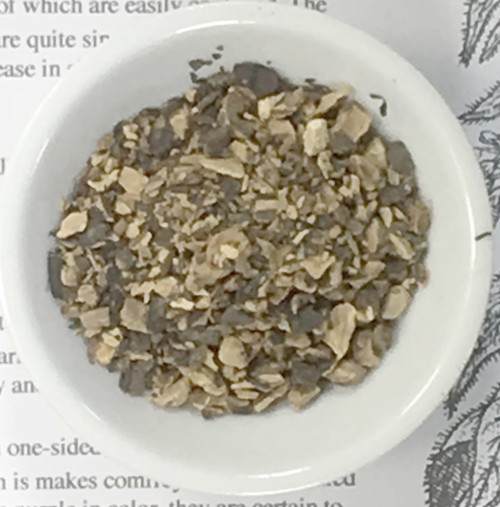
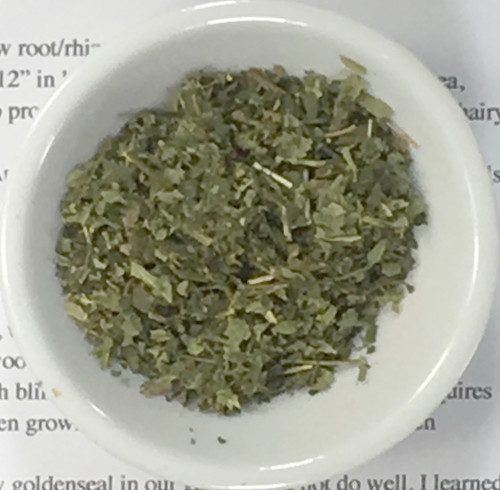
Comfrey
Symphytum officinale
“Its direct influence, like other mucilaginous agents, seems to be upon the mucous surfaces when taken internally. It was previously advised in all forms of bronchial irritation, with cough or difficult breathing, especially if there was hemoptisis. It was used in the chronic cases, or where there was protracted convalescence of severe acute cases. Some writers have been very enthusiastic concerning its specific influence. One physician who has used it for over thirty years, claims to obtain the best results from a strong decoction, made from one ounce of the root, in a pint of water. He gives this almost ad libitum as a drink. In pneumonia, this decoction relieves the difficult and painful breathing. It aids expectoration, and tends to lower the temperature. In all serious cases, he depends upon this remedy.”
- American Materia Medica
“Claims that Comfrey is a toxic plant are unsubstantiated by the mass of clinical evidence to the contrary. Attempts to equate the effects of its isolated compounds apart from the whole plant yield conflicting results. For thousands of years the plant has been used by ancient and modern civilizations for healing purposes. Risks must be balanced with benefits. There is a growing body of opinion to support the belief that a herb which has, without ill effects been used for centuries and capable of producing convincing results is to be recognized as safe and effective. Experiments reveal that in sufficient doses Comfrey can cause liver disease in laboratory animals. Its risk to humans has been a matter of serious debate since the 1960’s, and is still unresolved. Although the overall risk is very low, a restriction has been placed on the plant as a precautionary measure. Fresh Comfrey leaves should not be used as a vegetable which is believed to be a health risk. It is believed that no toxicity has been found in common Comfrey (Symphytum officinale L.). No restriction has been placed on the use of dried Comfrey leaves as a tea. The debate continues.”
- Encyclopedia of Herbal Medicine